How to Attract Long-Term Tenants
Upkeep Media • May 14, 2026
Key Takeaways
- Long-term tenants help reduce vacancy costs, stabilize rental income, and improve operational efficiency.
- Consistent maintenance and strong communication can increase tenant satisfaction and lease renewals.
- Effective screening helps landlords identify financially reliable tenants and reduce future disputes.
- Property upgrades focused on functionality often improve tenant retention without major expenses.
- Professional property management can streamline operations and support long-term rental success.
The advantages of having long-term quality tenants in your rental property are difficult to overstate. Long-term tenants help reduce many of the operational issues that negatively affect rental property performance. Income properties with stable renters often experience stronger cash flow, lower turnover costs, and more predictable operations over time.
Long-term occupancy also supports better financial planning for landlords. Fewer vacancies mean fewer interruptions in rental income and fewer expenses tied to advertising, cleaning, repairs, and tenant placement. That is why we at
Mabry Management have prepared this guide to help property owners improve tenant retention and strengthen their rental operations.
Why Long-Term Tenants Matter
Predictable Income
With a long-term
lease of 12 months or longer, landlords gain more reliable cash flow and better operational stability.

Consistent rental income allows property owners to budget for maintenance, upgrades, insurance costs, property taxes, and other recurring expenses more effectively.
Lower Vacancy Risk
Rental property expenses continue even when a unit sits vacant. Mortgage payments, utilities, maintenance, and marketing costs can quickly reduce profitability. Properties with long-term tenants are generally better protected from the financial strain caused by extended vacancies.
Reduced Turnover Costs
Turnover expenses can accumulate quickly between tenants. Cleaning, repainting, repairs, advertising, and screening new applicants all require time and money. Properties with longer tenant retention typically experience fewer turnover-related expenses and stronger long-term performance.
Lower Operational Costs
Long-term tenants often become more familiar with the property and daily routines. Many renters who plan to stay longer take better care of the home and report maintenance concerns earlier, helping landlords address problems before they become more expensive.
Easier Financing Opportunities
Lenders often view properties with stable rental histories more favorably. Reliable occupancy and predictable revenue may improve a property owner’s ability to secure financing or refinance under favorable terms.
Strategies for Attracting Long-Term Renters
1. Update Your Lease Agreement
A well-written lease agreement establishes clear expectations for both landlords and tenants. Discussing lease terms before signing helps reduce misunderstandings regarding rent payments, maintenance responsibilities, security deposit policies, and property rules.

These early conversations can also identify potential issues before the tenancy begins. Clear lease terms create structure, improve communication, and support more stable landlord-tenant relationships over time.
2. Build a Strong Social Media Presence
Waiting until a vacancy occurs to market your property can limit visibility and reduce advertising effectiveness. Maintaining an active online presence helps landlords build awareness and credibility within the local rental market.
Sharing maintenance updates, property improvements, neighborhood information, and leasing tips can help keep your property visible to prospective renters. Consistent communication often creates stronger engagement and may reduce vacancy periods when units become available.
3. Conduct Thorough Tenant Screening
Tenant screening is one of the most important steps in protecting rental income and improving tenant retention. Reviewing rental history, income documentation, credit information, and references may help landlords identify applicants with a reliable payment history and positive rental behavior.
Screening criteria should always remain objective, consistent, and legally compliant. Applying the same standards to every applicant supports fair housing compliance and helps reduce future disputes.
4. Pay Close Attention to Maintenance
Efficient property maintenance is one of the clearest ways to demonstrate professionalism and responsiveness. Delayed repairs can create frustration for tenants and negatively affect the overall rental experience.
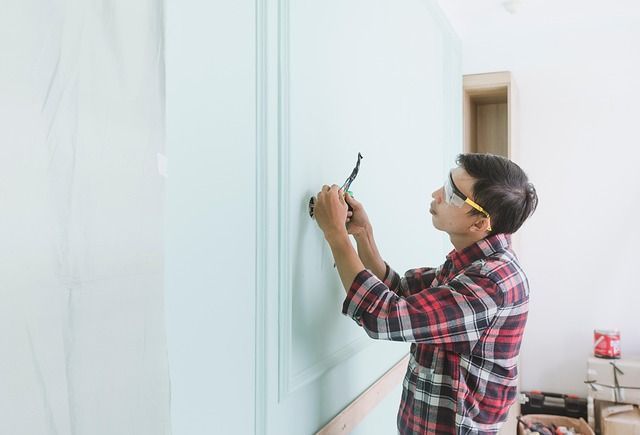
Properties that remain clean, functional, and well-maintained often encourage longer tenancy periods. Prompt maintenance responses may also help reduce costly repairs by addressing small issues before they escalate.
5. Communicate Regularly With Tenants
Strong communication systems help landlords manage their properties more effectively. Tenants should have a reliable way to report repairs, ask questions, and receive updates regarding maintenance or lease matters.
Prompt responses help build trust and reduce misunderstandings. Clear communication also supports smoother operations and can improve tenant satisfaction throughout the lease term.
6. Upgrade Your Rental Property
Functional upgrades often provide long-term value for both landlords and tenants. Improvements such as updated lighting, energy-efficient fixtures, improved storage, fresh paint, or modern appliances may increase the overall appeal of the property.
These upgrades do not always require major renovations or large budgets. Smaller improvements that enhance convenience and functionality can positively influence tenant retention and satisfaction.
7. Build a Sense of Community
Shared amenities and community-oriented spaces can improve the overall rental experience. Features such as outdoor gathering areas, fitness rooms, co-working spaces, or resident communication platforms may encourage stronger connections between neighbors.
Landlords may also organize occasional property events or seasonal gatherings where appropriate. Creating opportunities for positive resident interaction can help tenants feel more connected to where they live.
8. Adopt Flexible Lease Terms
Flexible leasing options may help landlords stand out in competitive rental markets.
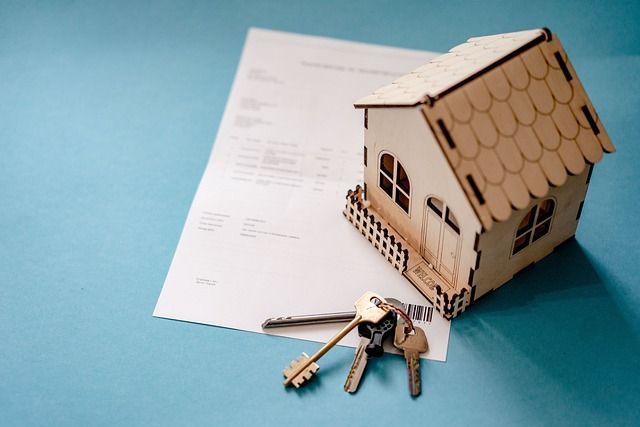
Features such as pet-friendly policies, online payment systems, flexible renewal options, or bundled services may improve tenant satisfaction and retention.
Before adopting flexible policies, landlords should ensure that lease terms, pet policies, and security deposit requirements remain clearly documented and legally compliant.
9. Encourage Trust and Mutual Respect
Professionalism and respect are essential components of successful landlord-tenant relationships. Tenants are more likely to renew leases when they feel their concerns are acknowledged and addressed appropriately.
Respectful communication, consistent policies, and prompt follow-through help create a more positive rental experience. Small gestures of appreciation and transparency may also strengthen tenant relationships over time.
10. Contract a Reputable Property Manager
Managing tenant communication, maintenance coordination, leasing, accounting, and compliance responsibilities can become overwhelming for many landlords. Professional property managers help create systems that support tenant satisfaction and operational consistency.
Experienced property management companies can also help landlords streamline maintenance requests, enforce lease terms, market vacancies, and improve tenant retention strategies. This support allows property owners to operate more efficiently while reducing day-to-day stress.
Conclusion
Attracting long-term tenants requires a balance between operational efficiency, tenant satisfaction, and responsible property management practices. Landlords who prioritize communication, maintenance, fair screening procedures, and functional property improvements often position themselves for stronger long-term rental performance.
At Mabry Management, we help landlords create systems designed to improve tenant retention and support stable rental income. From maintenance coordination and marketing to tenant communication and lease management, our team helps property owners operate more efficiently while protecting the long-term value of their investment.

Properties Sold
500+
Doors Under Management
400+

Average Days on Market
21
Rent Paid on Time
99%
Free Rental Analysis
Get your free rental pricing analysis today.
Contact Us
You might also like
Key Takeaways Pricing is about momentum, not just money: The goal isn’t the highest rent, it’s getting your property rented quickly and consistently. Tenants compare by budget, not location: Your real competition isn’t next door, it’s every listing in the same price range. The first 2 weeks can make or break your listing: If you miss that initial demand window, your property can lose appeal even after price drops. Vacancy costs more than underpricing slightly: One empty month can wipe out gains from trying to push rent higher.
Learn how to maintain your California rental property with routine inspections, seasonal upkeep, and timely repairs.
With the help of Mabry Management, learn which renovations you should prioritize to keep your rental occupied and increase your property value!