
Properties Sold
500+
Understanding local rental laws is essential for California landlords. With some of the most complex and tenant-protective regulations in the country, California laws cover everything from rent control and habitability standards to tenant rights and eviction procedures. Failing to comply with these laws, even unintentionally, can lead to legal disputes, financial penalties, and strained landlord-tenant relationships.
Having a solid grasp of local ordinances not only helps you avoid costly mistakes but also fosters fair and transparent relationships with tenants. Whether you're managing a single unit or a portfolio of properties, understanding the legal landscape enables you to make informed decisions, reduce risk, and run a successful rental business based on compliance and trust.
In this guide, the team at Mabry Management outlines the key aspects of California landlord-tenant law so you can protect your investments and manage your properties more effectively.
Just as tenants have rights and responsibilities, so do landlords. California landlords must ensure their properties are safe, livable, and well-maintained throughout the tenancy. They are responsible for completing major repairs within 30 days of receiving notice, adhering to building and health codes, and complying with all rental and fair housing laws.
Landlords have the right to collect rent on time and enforce the
terms of lease agreements. They may establish reasonable rules for the property, including policies on pets, noise, and smoking. Landlords are also allowed to enter rental units for repairs, emergencies, or property showings, as long as they provide appropriate notice.

They may use part or all of a tenant’s security deposit to cover damages, cleaning costs, or unpaid rent, and they have legal grounds to evict tenants for lease violations, nonpayment, illegal activities, or property foreclosure. Landlords may also raise rent, provided they follow proper procedures and state rent control regulations.
Tenants are legally entitled to privacy and the quiet enjoyment of their rental unit. This means landlords cannot enter the property arbitrarily or excessively. California law allows landlords to enter a rental unit for repairs, showings, or emergencies, but they must give tenants at least 24 hours' notice before a landlord enters the unit, unless it’s an emergency situation.
The
California Fair Housing Act prohibits landlords from discriminating against prospective or current tenants based on race, religion, national origin, sex, disability, familial status, source of income, marital status, age, gender identity, physical appearance, or sexual orientation. Discriminatory actions, such as rejecting applicants or using biased language in advertising, can result in legal penalties, fines, and required changes to rental practices. In some cases, landlords may be ordered to undergo fair housing training.
In California, landlords can charge up to two months’ rent as a security deposit for an unfurnished unit, or up to three months’ rent for a furnished one. While they are not required to provide a written receipt or store the deposit in an interest-bearing account, they may legally retain all or part of the deposit for specific reasons.

These include covering unpaid rent, repairing damages that exceed normal wear and tear, restoring the unit to its original condition, or covering cleaning costs. Regardless of deductions, landlords have 21 days from the end of the lease to return the deposit. Failure to do so could result in tenants suing for up to twice the withheld amount, plus legal fees.
Rent control in California is regulated under the Tenant Protection Act, which limits how much landlords can increase rent each year. Specifically, rent increases must not exceed 5 percent of the current rate plus the local cost-of-living increase, or 10 percent total, depending on whichever is lower. Additionally, landlords may only raise rent once within any 12-month period and must provide proper notice to tenants in advance.
Before signing a lease, California landlords must disclose important information about the rental property. Required disclosures include the presence of lead-based paint, mold, asbestos, or past drug contamination as well as any applicable utility billing procedures, smoking policies, whether the property is located in a flood zone, and any plans for demolition that may affect the tenancy.
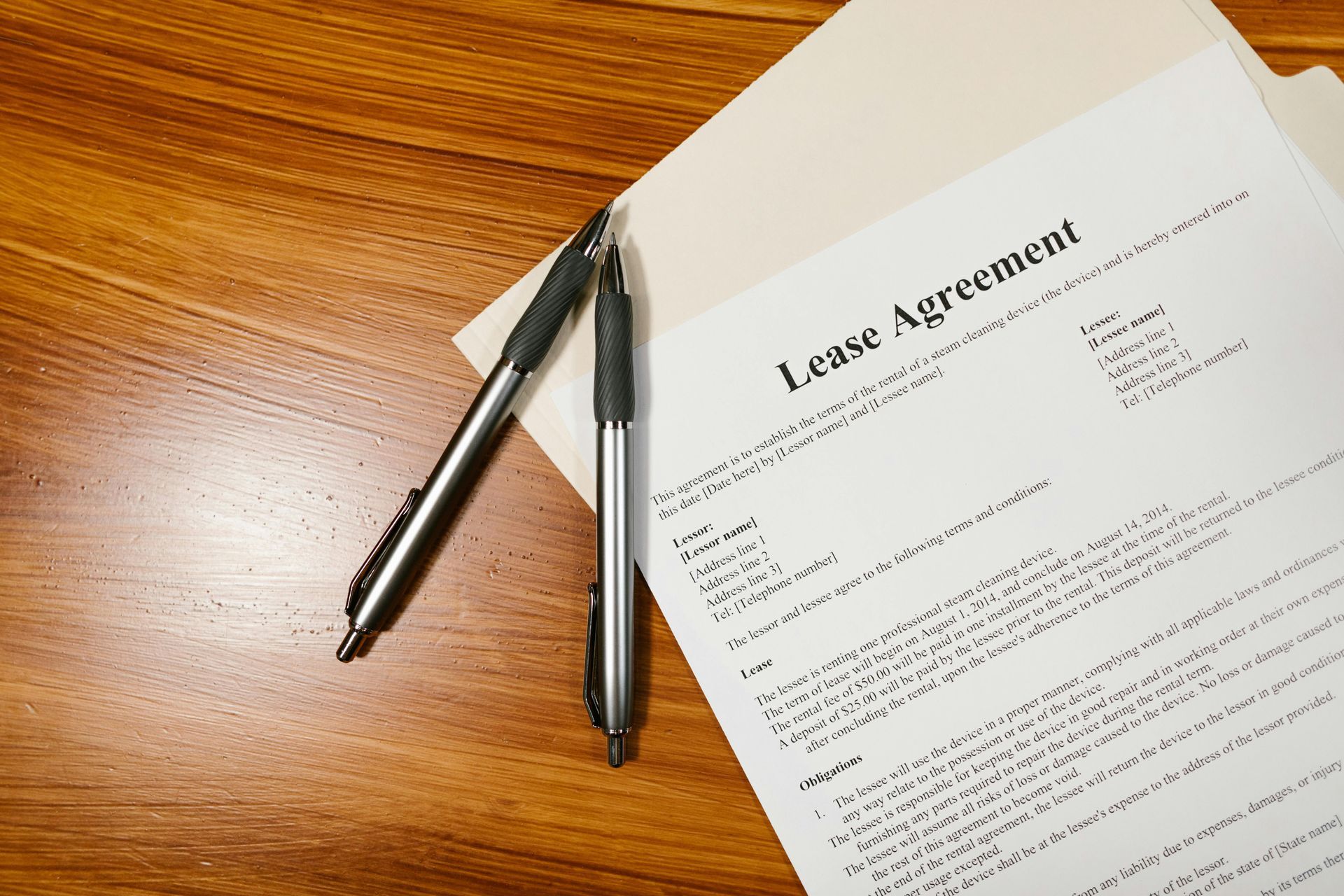
Landlords must also inform tenants if a non-HIV/AIDS-related death occurred on the property within the past three years and provide access to the sex offender registry. Failing to make these disclosures can expose landlords to legal liability.
If essential repairs are neglected, California tenants have the legal right to withhold rent until the issue is resolved. In some cases, tenants may make the repairs themselves and deduct the cost from their rent, break the lease without penalty, or sue the landlord. To avoid these outcomes, landlords should address all repair requests promptly and document all communications and completed work.
If you’re planning to rent out property in California, it's crucial to understand the state's landlord-tenant laws. The combination of strong tenant protections and strict legal standards means even small mistakes can result in fines, lawsuits, or forced reinstatement of tenants. Taking time to educate yourself now can help you avoid significant trouble later.
If you need help navigating California rental laws or managing your property, Mabry Management is here to support you. Our experienced team can help you stay compliant, informed, and successful.
Disclaimer: This article is for informational purposes only and should not be taken as legal advice. Landlord-tenant laws may change and can vary by city or county. For personalized guidance, consult a qualified attorney or contact your local housing authority.

Properties Sold
500+

Doors Under Management
400+

Average Days on Market
21
Rent Paid on Time
99%
Get your free rental pricing analysis today.
info@mabrymgmt.com
15901 Hawthorne Boulevard Suite #270
Lawndale, CA, 90260
Mabry Management
DRE# 00441897
Mabry Management Co. Inc.